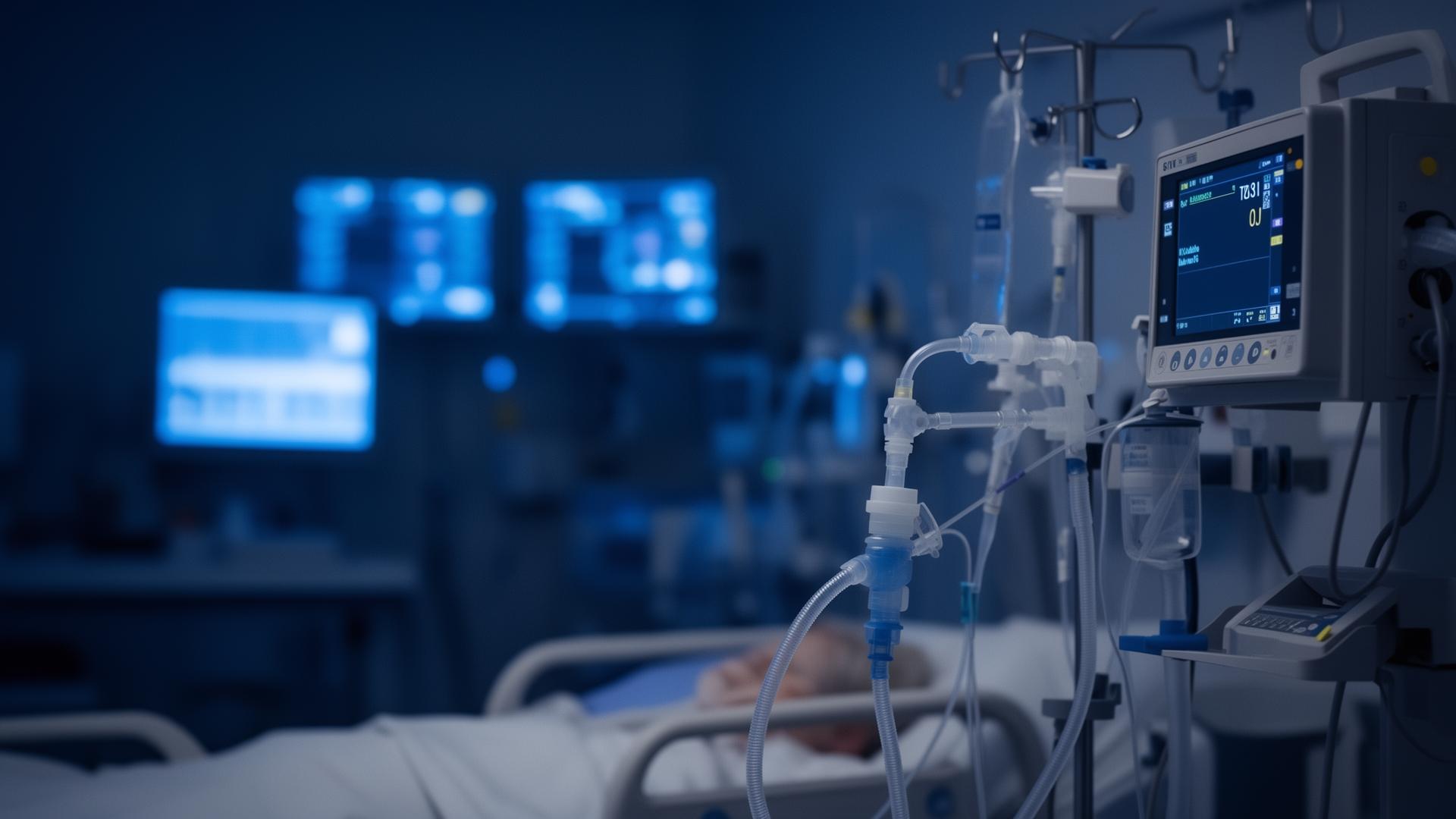

Innovations for safer airways.
Automated, adaptive cuff pressure control, built to help prevent airway injury.
Built by a founding team with 6 ventures and 4 exits across medtech and SaaS
The Problem
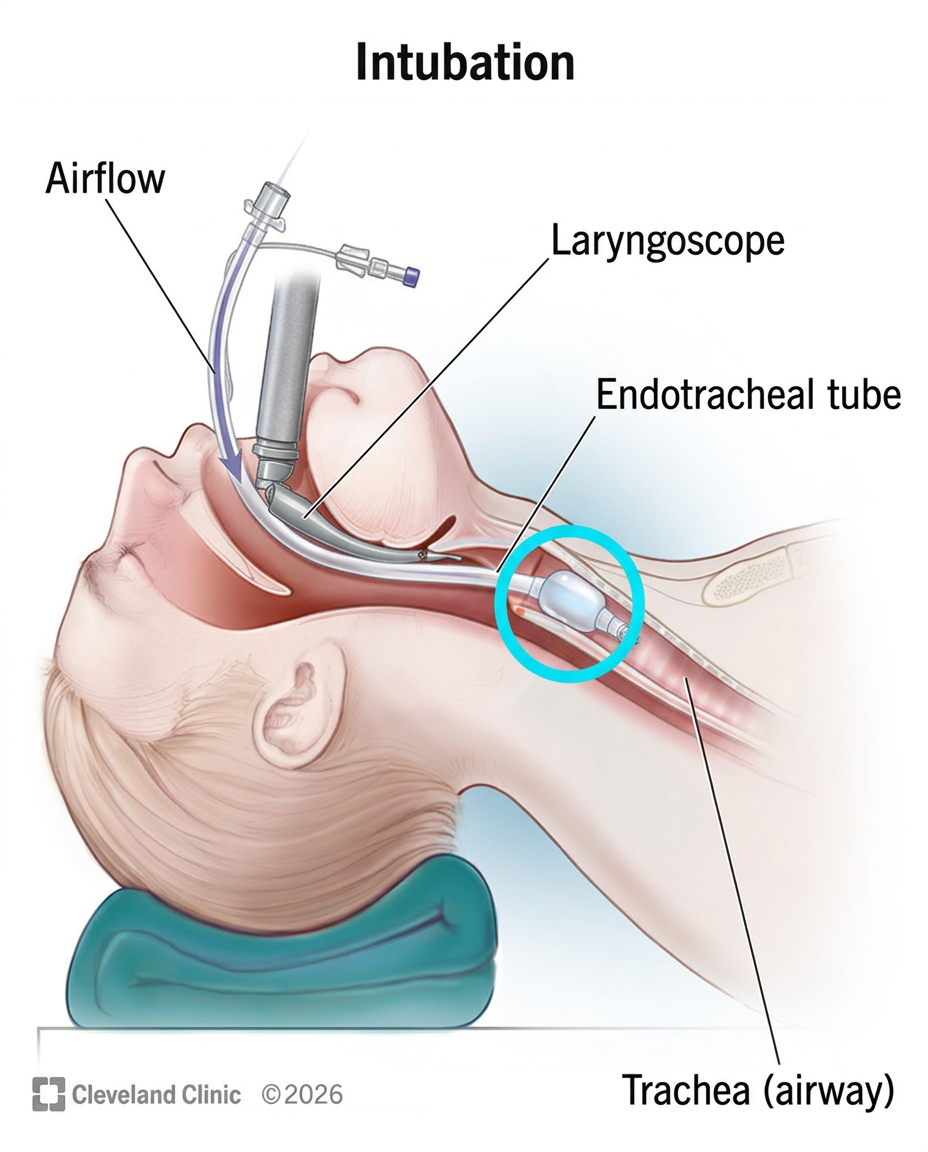
An estimated 9 million patients undergo tracheal intubation in U.S. hospitals each year. 72% of patients have unsafe cuff pressures and 57% experience tracheal complications. Intubation lasting 48 hours or more increases the risk of tissue injury and aspiration.
Why complications occur
- Cuffs are staticThe trachea expands and contracts. A fixed cuff must seal it at its widest, leaving sustained pressure on the tissue as the airway narrows.
- Monitoring is manualClinicians check and adjust pressure every 2 to 4 hours, spending up to 2 hours a day on repeated bedside visits.
The Solution
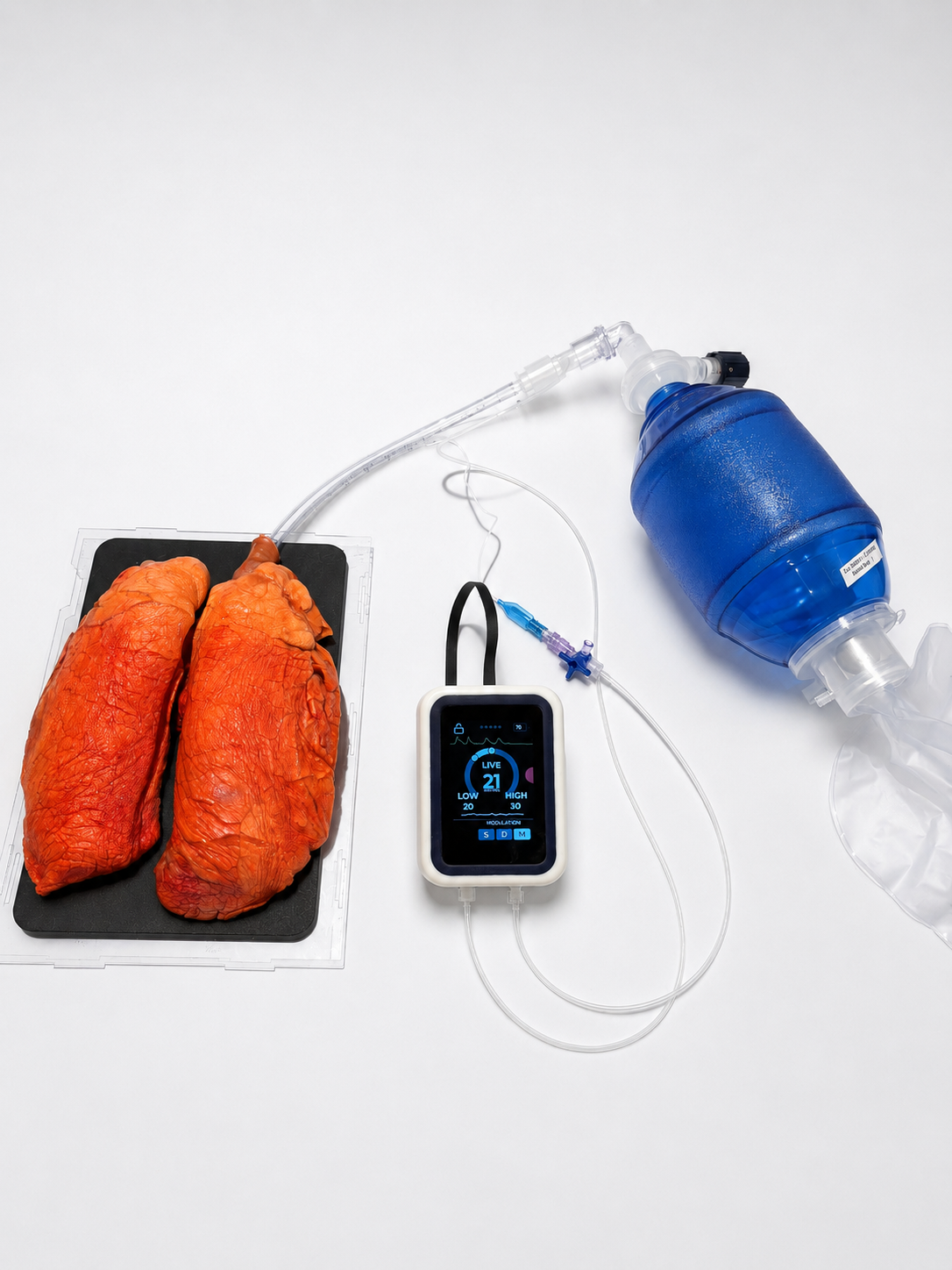
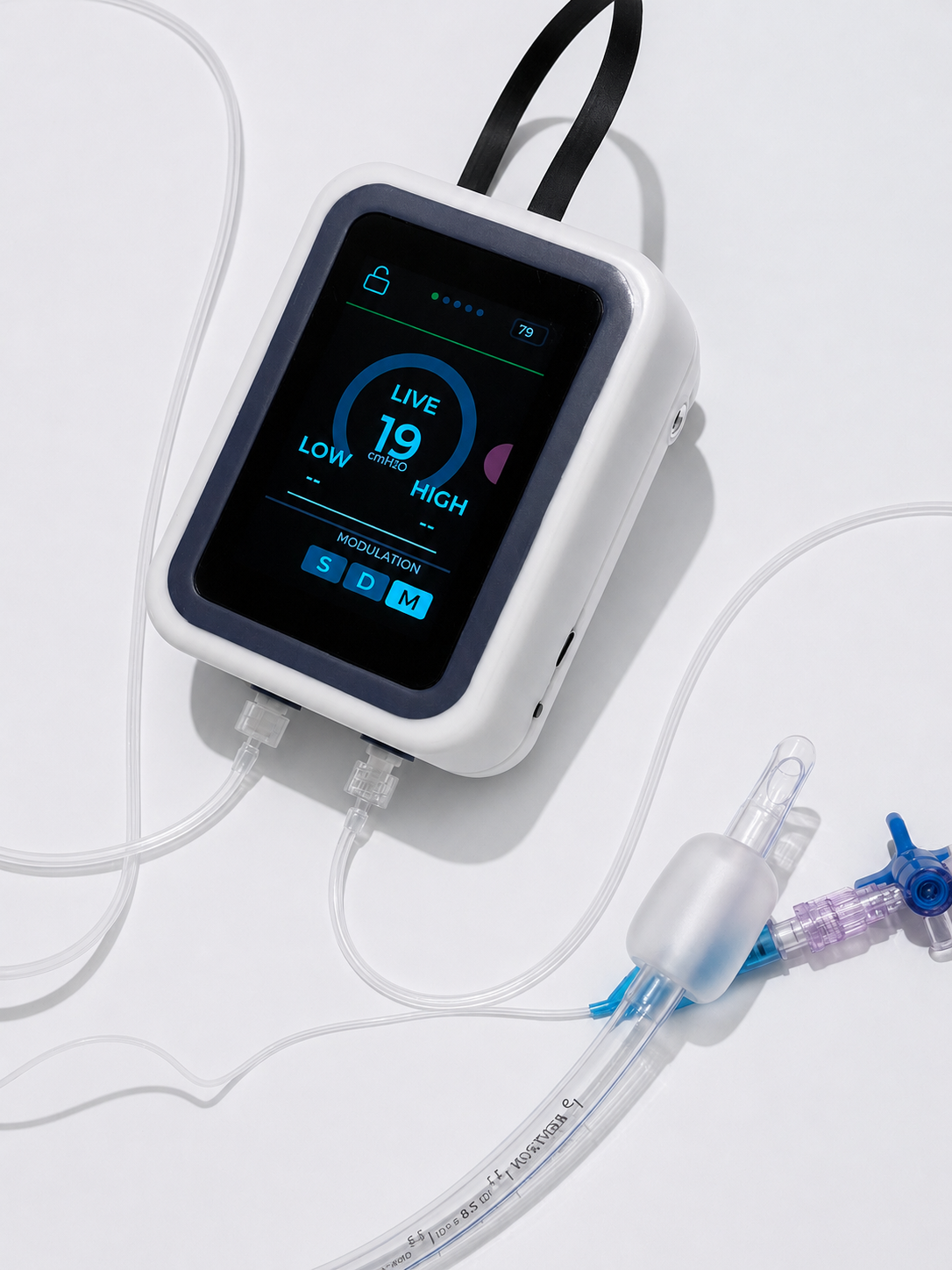
CuffWay is developing continuous cuff pressure monitoring and control. It adjusts pressure as the airway moves to maintain a seal without unnecessary force on the tracheal wall.
- Pressure that adaptsThe system responds to breathing, coughing and movement, adjusting cuff pressure in real time to keep a seal as the airway changes.
- Fits the bedside workflowA reusable controller connects through a disposable tube set. Setup takes less than 30 seconds, with continuous monitoring instead of manual checks.
+1.1 ICU days + $2,000 in hospital costs. [1]
Readmission Impact+4.7 ICU days + $11,025 per readmission. [1]
[1] Bhatti NI. Cost analysis of intubation-related tracheal injury using a national database. Otolaryngol Head Neck Surg. 2010.
Traction & Milestones
Preclinical studies in pig tracheas